Paysafe’s Recent Performance and Market Context
Paysafe’s 24‑Hour Trading Snapshot
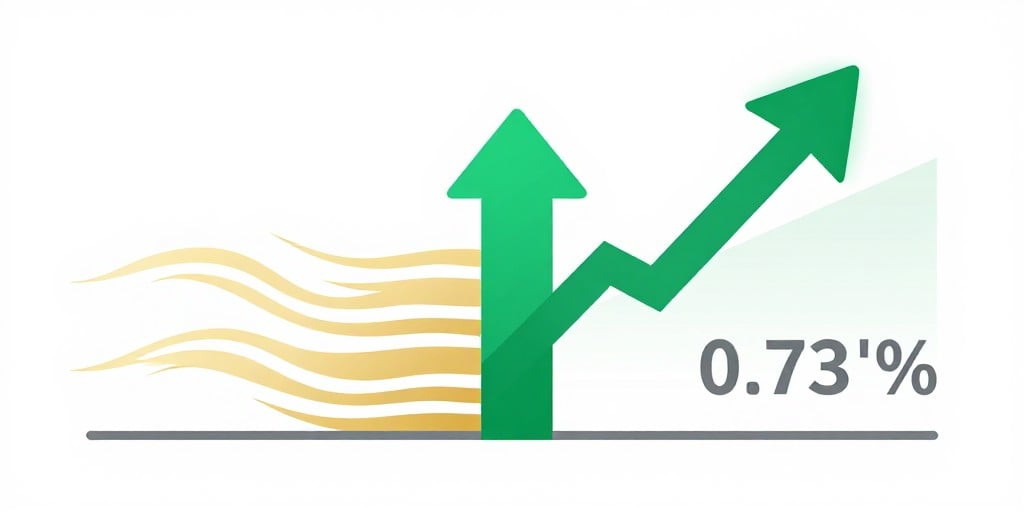
During the 24‑hour period ending at 02:46 PM Central Europe on Thursday, 22 October 2026, Paysafe Ltd. (ticker PSFE) traded up by 0.73 %. The share price settled at approximately USD 5.53 on the most active exchanges, a modest rise compared with the USD 5.35 low recorded on 02 October 2026. The current circulating supply of Paysafe shares is 52.2 million, giving the company a market capitalisation of USD 286.7 million. In the last day, roughly USD 2 million of Paysafe shares changed hands, a volume that reflects the relatively thin trading of the stock in its current phase of the cycle.
Historical Context
- The 200‑day simple moving average lies at USD 7.24, indicating that the share is presently trading well below its medium‑term trend line.
- The highest price of the past 52 weeks was USD 12.95, reached on 24 October 2025; this peak reflects a period of heightened investor confidence and stronger earnings momentum for Paysafe’s parent business.
- Since the end of the last month, Paysafe’s share price has declined by 17.59 %, underscoring a broader pullback in the payments sector as macro‑economic uncertainty and regulatory scrutiny have intensified.
Corporate Narrative
Paysafe Ltd. is an integrated payments platform that connects businesses and consumers through payment processing, digital wallet, and online cash solutions. The company’s global reach has positioned it as a key player in the transition to a cash‑less economy, yet recent market dynamics have tempered enthusiasm. Analysts suggest that the decline in the stock reflects a combination of heightened competition in the fintech space, evolving consumer payment habits, and a cautious stance by investors amid rising inflation and geopolitical tensions.
Performance of Peer Stocks
While Paysafe’s price movement has been modestly positive, its sector peers have experienced varied outcomes in the same 24‑hour window:
| Stock | 24‑Hour Change | Current Price | Market Cap | P/E Ratio | Notes |
|---|---|---|---|---|---|
| 3i Group PLC (III.L) | –3.93 % | GBX 2,297 | GBX 31.2 bn | 4.34 | The group’s shares fell below four per cent amid a broader FTSE 100 sell‑off driven by mixed earnings reports and elevated oil prices. |
| Imperial Brands (IMB.L) | –0.39 % | GBX 2,867 | GBX 28.8 bn | 13.19 | A temporary regulatory misstep in German e‑cigarette taxation caused brief confusion, but the market quickly absorbed the news with minimal impact on valuation. |
| Aviva (AV.L) | +0.31 % | GBX 714 | GBX 28.6 bn | 39.34 | The insurer’s slight uptick reflects steady underwriting performance and a resilient dividend policy. |
| Arqit Quantum (ARQQ) | +7.12 % | USD 16.4 | USD 274.2 mn | – | The quantum‑key‑management firm reported routine changes in director shareholdings; the share rallied on speculation of upcoming product launches. |
| Axiom Intelligence (AXIN) | 0 % | USD 10.37 | USD 282.8 mn | – | The intelligence‑tech specialist remained flat, reflecting a period of consolidation and pending regulatory filings. |
Market Sentiment and Outlook
Investors are watching Paysafe’s trajectory closely, as the company’s performance can signal broader trends in digital payments. The current trading data suggests that the market has not yet fully priced in potential upside from Paysafe’s expansion into emerging markets and strategic partnerships. However, the below‑average valuation relative to its 200‑day moving average indicates that the stock may still have room to recover if macro‑economic conditions improve or if the company delivers stronger earnings.
In contrast, the peer stocks exhibit a mix of defensive and growth dynamics. Imperial Brands and Aviva demonstrate resilience amid regulatory and economic headwinds, whereas Arqit Quantum captures the excitement around quantum‑safety solutions. 3i Group’s decline points to heightened sensitivity to global commodity prices and geopolitical events, particularly in France, where social unrest has weighed on investor sentiment.
Conclusion
Paysafe’s modest 0.73 % gain in the past 24 hours provides a tentative sign of stability, but the broader context—marked by a 17.59 % month‑to‑date decline, a low 200‑day moving average, and a weak relative position against its 52‑week high—suggests that the company is still navigating a challenging environment. Stakeholders should monitor upcoming earnings releases, regulatory developments, and macro‑economic indicators to gauge whether Paysafe can capitalize on its integrated payments platform and regain momentum in the coming quarters.