Market Snapshot: YPF (YPF) Trades Down Amid Regional Dynamics
YPF (NYSE: YPF) closed the trading session on Friday, 23 October 2026, down 0.81 % at 01:33 AM Central Europe time, with a closing price of USD 49.17. The stock is currently listed on major exchanges with a liquidity profile that includes 392 million shares outstanding and a market capitalization of USD 20.4 billion. In the previous 24 hours, the trading volume was approximately USD 37.5 million, indicating a moderate but steady flow of investor interest.
Technical Context
- 200‑Day Simple Moving Average: USD 45.88 – the current price sits slightly above this long‑term trend, suggesting a short‑term bullish bias but also a potential resistance level.
- 52‑Week High/Low: The most recent 52‑week peak was USD 57.87 (15 September 2026), while the trough was USD 26.72 (24 October 2025). YPF remains well above its all‑time low but still distant from its recent high, indicating ample upside potential if the broader market sentiment turns positive.
Comparative Peer Performance
| Company | Ticker | 24‑Hour Change | Current Price | Market Cap | P/E Ratio |
|---|---|---|---|---|---|
| Grupo Financiero Galicia | GGAL | +3.84 % | USD 36.12 | USD 6.1 bn | 99.74 |
| Telecom Argentina | TEO | +4.57 % | USD 12.66 | USD 5.4 bn | 11.6 |
| BBVA Argentina | XBBAR.MC | –4.64 % | EUR 3.7 | EUR 2.4 bn | 13.44 |
| Central Puerto | CEPU | –0.65 % | USD 11.77 | USD 1.8 bn | 6.4 |
| IRSA | IRY.F | +15.85 % | EUR 14.21 | EUR 1.0 bn | 5.47 |
The contrasting movements within the Argentine equity cohort underscore YPF’s relative resilience. While some peers, notably BBVA Argentina and Central Puerto, have slipped, others such as Grupo Financiero Galicia and Telecom Argentina have outperformed. IRSA’s robust 15.85 % gain reflects sector‑specific catalysts that YPF has yet to fully capitalize on.
Strategic Outlook
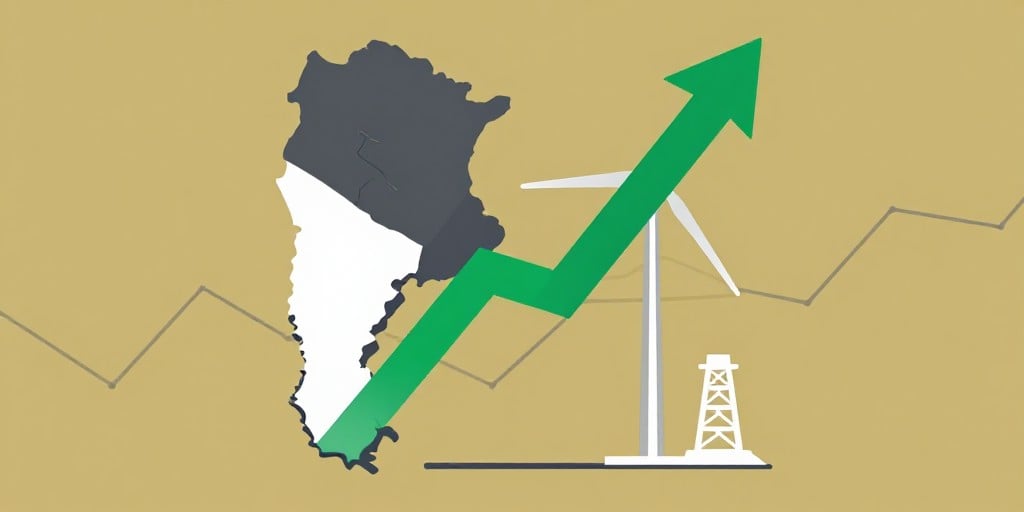
YPF SA continues to be a pivotal player in Argentina’s energy landscape, with a diversified portfolio that spans conventional oil and gas extraction to renewable ventures involving wind, solar, land, and water resources. Its headquarters in Buenos Aires serve as a hub for coordinating operations across the South American market, positioning the company to leverage regional energy demand growth.
Given the current market sentiment, YPF’s trajectory will likely hinge on two key drivers:
- Commodity Price Volatility – Fluctuations in oil and gas prices directly influence revenue streams; a sustained rebound could propel the stock closer to its 52‑week high.
- Regulatory and Investment Climate – Argentina’s evolving energy policy and potential incentives for renewable projects may unlock new growth avenues, enhancing shareholder value.
With a market cap of USD 20.4 billion and a trading volume that reflects steady institutional engagement, YPF presents a compelling case for long‑term investors seeking exposure to the energy sector’s transition dynamics in Latin America. The company’s current valuation, positioned near a 200‑day moving average and well above its 52‑week low, signals that a corrective rally could be on the horizon if macroeconomic and sectoral fundamentals strengthen.